

🪶 Introduction
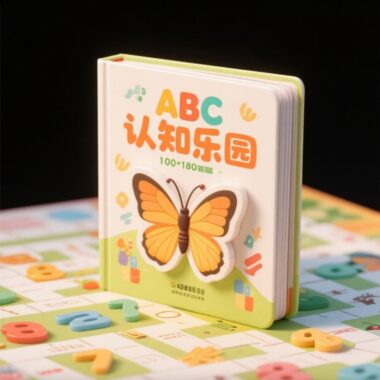
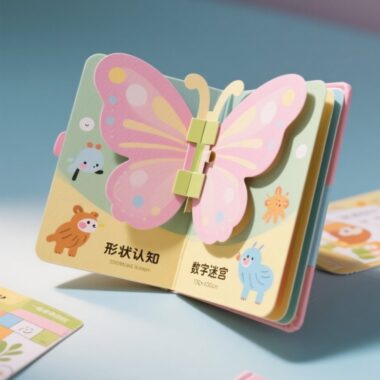
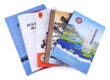
In professional book printing, finishing is what transforms a simple printed page into a polished, high-value product. The right finishing technique can add texture, shine, or depth, helping your book stand out on a shelf or in a presentation.
Whether you’re producing a children’s book, a corporate catalog, or a coffee-table photo book, understanding finishing options is key to creating a lasting impression.
🧩 1. Lamination: Gloss, Matte, or Soft-Touch
Lamination is the most common finishing technique. It involves applying a thin plastic film to the book cover to protect it from scratches and moisture.
Gloss Lamination: Bright and vibrant, ideal for colorful covers.
Matte Lamination: Elegant and soft, perfect for luxury publications.
Soft-Touch Lamination: Adds a smooth, velvet-like feel, often used for premium brands.
Book printing factories often recommend lamination to extend durability, especially for frequently handled books.
✨ 2. Foil Stamping
Foil stamping uses heat and pressure to apply metallic foil onto specific areas like titles or logos. Common colors include gold, silver, bronze, and rose gold.
This technique gives books a luxurious appearance and is popular in hardcover, gift, and anniversary editions. Many book printing suppliers combine foil stamping with embossing for extra depth and refinement.
🕳️ 3. Embossing and Debossing
Embossing raises the design above the surface, while debossing presses it inward. Both techniques add a tactile dimension and enhance brand recognition.
They’re frequently used for logos, titles, or artistic patterns. Combined with matte lamination, embossing creates a classy and understated look that’s perfect for art or photo books.
💎 4. Spot UV Coating
Spot UV is a high-gloss finish applied only to selected areas of the cover, such as a logo or image. It creates contrast between shiny and matte surfaces, making certain elements “pop.”
This technique is often used in modern catalog and brochure printing, especially for minimalist designs. Professional book printing factories use precision UV machines to align coatings with artwork perfectly.
🔖 5. Edge Coloring and Gilding
For premium projects, page edges can be colored or gilded with metallic foil. Edge coloring adds personality, while gilding delivers an elegant touch suitable for limited-edition books.
These decorative details are subtle yet impactful, conveying craftsmanship and attention to detail that readers remember.
✅ Conclusion
Finishing is more than decoration — it’s a statement of quality. Techniques like lamination, foil stamping, embossing, and UV coating elevate both appearance and durability.
A professional book printing factory can guide you in combining finishes that align with your book’s purpose, target audience, and budget. When executed with care, finishing transforms your printed books from ordinary to extraordinary.