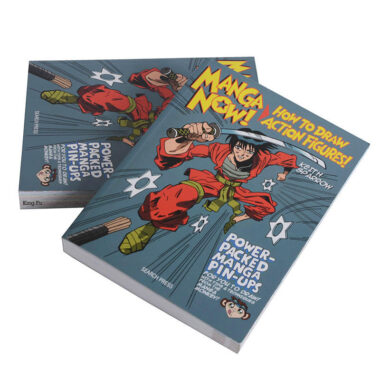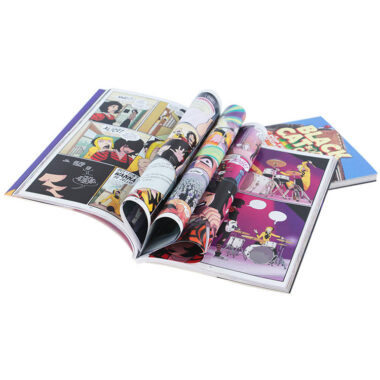


Great topic! Here’s a clear, SEO-friendly blog post draft titled “Digital vs. Offset Printing: Which is Best for Your Book?” for you:
Digital vs. Offset Printing: Which is Best for Your Book?
When it comes to printing your book, choosing the right printing method is crucial. The two most popular options are digital printing and offset printing. Each has its own advantages and is better suited for different types of projects. In this post, we’ll break down the differences between digital and offset printing to help you decide which is best for your book.
What is Digital Printing?
Digital printing is a modern printing process where the image is sent directly to the printer from a digital file, such as a PDF. This method does not require printing plates, which means it’s faster and more cost-effective for small print runs.
Advantages of Digital Printing:
- Quick turnaround: Ideal for short runs or print-on-demand.
- Lower upfront costs: No need for expensive setup.
- Easy customization: Perfect for personalized books or variable data printing.
- Less waste: Prints only what you need.
Disadvantages of Digital Printing:
- Higher per-unit cost for large runs: Not as cost-efficient for very large quantities.
- Color consistency: Slight variation may occur between runs.
- Limited paper options: Usually limited to certain types of paper.
What is Offset Printing?
Offset printing is a traditional printing technique that uses metal plates to transfer ink onto paper. It’s widely used for high-volume print jobs due to its efficiency and superior print quality.
Advantages of Offset Printing:
- Cost-effective for large volumes: Lower cost per unit on big print runs.
- High image quality: Crisp, vibrant colors with fine details.
- Wide range of paper and finishing options: Great for specialty materials.
- Consistent color matching: Ideal for branding and color-sensitive projects.
Disadvantages of Offset Printing:
- Longer setup time: Plates need to be created, which takes time.
- Higher initial costs: Not economical for small print runs.
- Less flexibility: Customization and changes are difficult once plates are made.
Which Printing Method is Best for Your Book?
Here’s a simple guide to help you choose:
| Print Run Size | Recommended Printing Method |
|---|---|
| Less than 500 copies | Digital Printing |
| 500 to 2,000 copies | Depends on budget & timing |
| More than 2,000 copies | Offset Printing |
- For Self-Publishers and Short Runs: Digital printing is perfect if you want to test the market, print limited editions, or need books quickly.
- For Large Print Runs and Professional Publishing: Offset printing shines when producing thousands of copies with consistent, high-quality output.
Conclusion
Choosing between digital and offset printing depends on your budget, timeline, and the size of your print run. If you’re uncertain, many printing services offer consultation to help you find the best fit for your book project.
Would you like me to help you create a version optimized for Google keywords or include a FAQ section about printing?