

📘 Introduction
When it comes to custom book printing, paper is more than just a material — it’s the foundation of how your book looks and feels. The right paper affects color depth, page weight, durability, and even the reading experience. Many first-time buyers focus on cover design and binding, but professional printers know that paper selection is what truly defines print quality.
In this guide, we’ll walk you through the essential factors that publishers and printing factories consider when choosing paper for books.
🪶 1. Understanding Paper Weight and Thickness
Paper weight, measured in GSM (grams per square meter), determines how thick and sturdy each page feels.
80–120 GSM: Ideal for novels, educational books, or text-heavy materials.
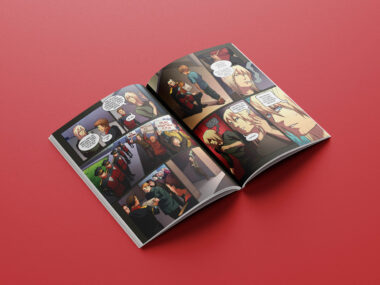
128–157 GSM: Common for catalogs, magazines, and illustrated books.
200–250 GSM: Suitable for art books or premium photo publications.
A book printing factory typically recommends slightly thicker paper for full-color pages, ensuring that images don’t show through the back.
🧩 2. Coated vs. Uncoated Paper
The coating of paper defines the visual effect and color accuracy.
Coated Paper (Gloss or Matte): Smooth surface with vibrant color reproduction — perfect for magazines or photo books.
Uncoated Paper: Softer texture with a natural feel — great for novels or literary collections.
A reliable book printing supplier can help you test samples to see how your artwork performs on each type before mass printing.
🎨 3. Surface Finish and Texture Options
Surface finishing affects how readers perceive the book’s quality. Matte finishes create an elegant, non-reflective tone, while glossy finishes make colors “pop.”
If you’re printing children’s books or photography collections, matte coating is often preferred for its anti-glare reading comfort.
Textured papers like linen or embossed types are also gaining popularity for premium hardcover editions.
🧠 4. Matching Paper to Book Type
Each book type requires a different approach:
Children’s Books: Use thicker, coated paper for durability and bright colors.
Magazines: Glossy paper keeps visuals sharp and appealing.
Hardcover Books: Combine high GSM paper with sturdy binding for longevity.
Catalogs: Matte-coated paper adds sophistication while reducing glare.
By discussing your project with an experienced book printing factory, you can ensure the perfect balance of quality and cost.
🌍 5. Eco-Friendly Paper Choices
Sustainability has become a key consideration for modern publishers. Many printing suppliers now offer FSC-certified or recycled paper, along with soy-based inks that reduce environmental impact without compromising color quality.
If your brand emphasizes eco-conscious values, choosing sustainable paper is a great way to reflect that commitment.
✅ Conclusion
Paper selection is a critical step in creating a book that not only looks professional but also feels premium in readers’ hands. From GSM and coating to texture and sustainability, every choice plays a part in the final impression.
If you’re planning your next project, our book printing factory can provide sample books, paper swatches, and professional advice to help you find the perfect match.