

Here’s an SEO-optimized blog article titled “The Future of Book Printing: Innovations and Technologies”:
The Future of Book Printing: Innovations and Technologies
The book printing industry is evolving rapidly, blending traditional craftsmanship with cutting-edge technology. From AI-assisted design tools to sustainable ink solutions and smart printing presses, the future of book printing promises faster, greener, and more personalized publishing. Whether you’re a self-publishing author, small press, or large-scale publisher, these innovations are set to transform the way books are made.
1. Digital Printing 2.0: Faster, Smarter, More Precise
Modern digital printing presses now offer:
- High-speed production with minimal setup time.
- Superior print resolution and color accuracy.
- Variable data printing for personalized editions (great for marketing or limited runs).
This tech is perfect for short-run books, customized content, and rapid turnaround — ideal for indie authors and niche markets.
2. Sustainable Materials and Eco-Friendly Inks
With growing environmental awareness, printers are embracing:
- Soy- and algae-based inks as alternatives to petroleum-based options.
- Recycled and FSC-certified papers that reduce deforestation.
- Energy-efficient printing presses and carbon-neutral operations.
Green printing not only appeals to eco-conscious readers but can also cut long-term costs.
3. Print-On-Demand (POD) Evolution
The POD model has matured dramatically:
- Advanced logistics systems now enable next-day delivery.
- Integration with e-commerce platforms allows global distribution with zero inventory.
- Enhanced quality now rivals traditional offset printing, even for photo books and color-heavy formats.
POD enables authors to publish without financial risk — print only when there’s demand.
4. Augmented Reality (AR) and Interactive Features
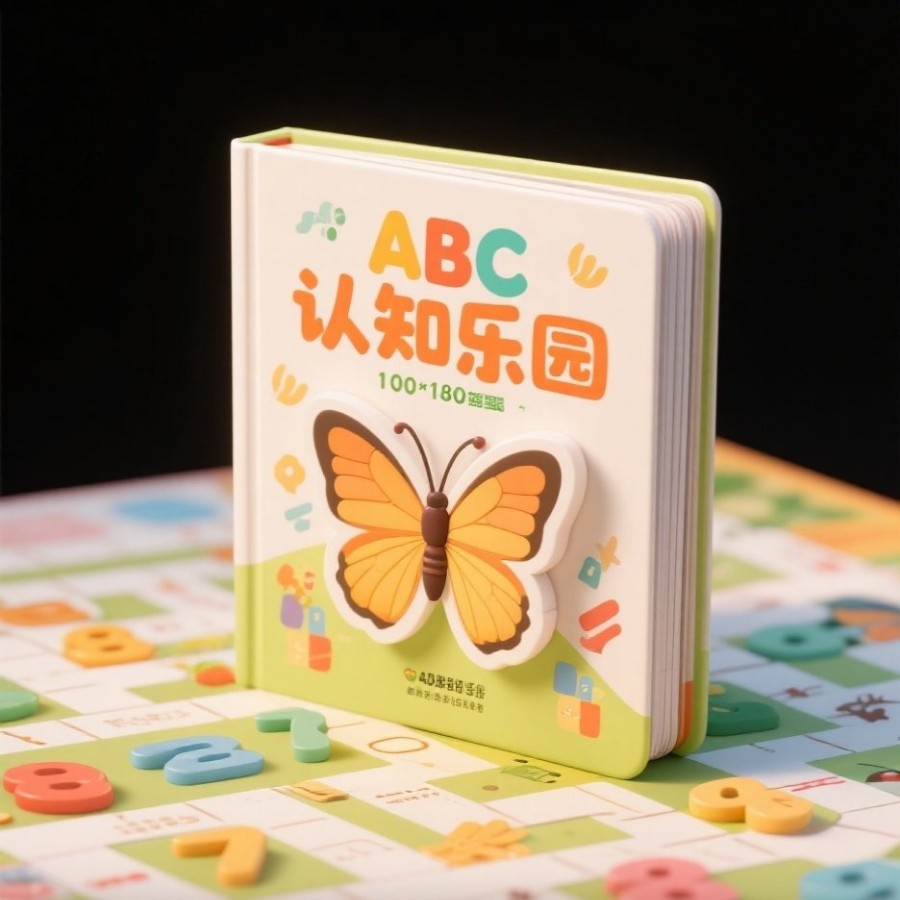
AR-printed books are making waves in education and children’s publishing:
- Scan a page to trigger animations, sounds, or 3D models.
- Combine print with mobile apps or QR codes for added content.
- Boost engagement and create a hybrid print-digital experience.
This tech redefines how we learn and interact with print content.
5. Artificial Intelligence in Layout and Design
AI tools are helping designers:
- Auto-format manuscripts based on genre or audience.
- Suggest typography, spacing, and cover layouts that align with current trends.
- Predict reader engagement using heatmaps and design analytics.
This streamlines book production while maintaining high visual standards.
6. 3D and Embossed Printing for Luxury Editions
High-end book markets now offer:
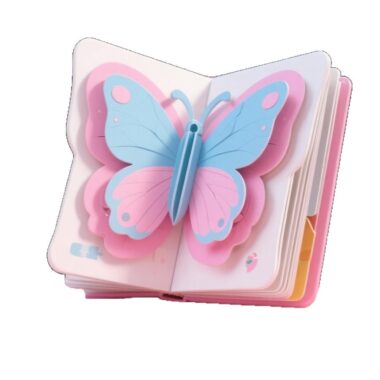
- 3D-printed covers with textures or raised graphics.
- Embossed lettering and foil stamping for collector’s editions.
- Scented ink or multi-sensory printing experiences.
These features make printed books more than just content—they become physical art.
7. Blockchain and Smart Contracts for Publishing Rights
A growing number of publishers are exploring:
- Blockchain for secure copyright registration.
- Smart contracts for royalty payments and licensing agreements.
- Transparent, tamper-proof records of publication history.
This increases trust and efficiency in author-publisher relationships.
Conclusion: A Bright Future for Printed Books
Despite the rise of digital reading, physical books remain resilient — and innovation is making them more dynamic, personalized, and sustainable than ever. Whether you’re printing a memoir, novel, textbook, or art book, embracing these technologies ensures you’re ready for the next chapter in publishing.
Keywords:
book printing innovations, future of publishing, eco-friendly book printing, digital printing technology, print-on-demand books, AI in book publishing, AR printed books
Meta Description:
Discover the latest innovations in book printing, including digital presses, sustainable materials, augmented reality, and AI-powered design tools shaping the future of publishing.
Would you like a second variation of this blog post, perhaps focused more on self-publishers, commercial printers, or a specific region (e.g., Asia/Europe/US)?